Follow Us :
RDT Care Services Named #1 Home Care Provider in Silver Spring, MD — June 2026 BusinessRate Award
Follow Us :
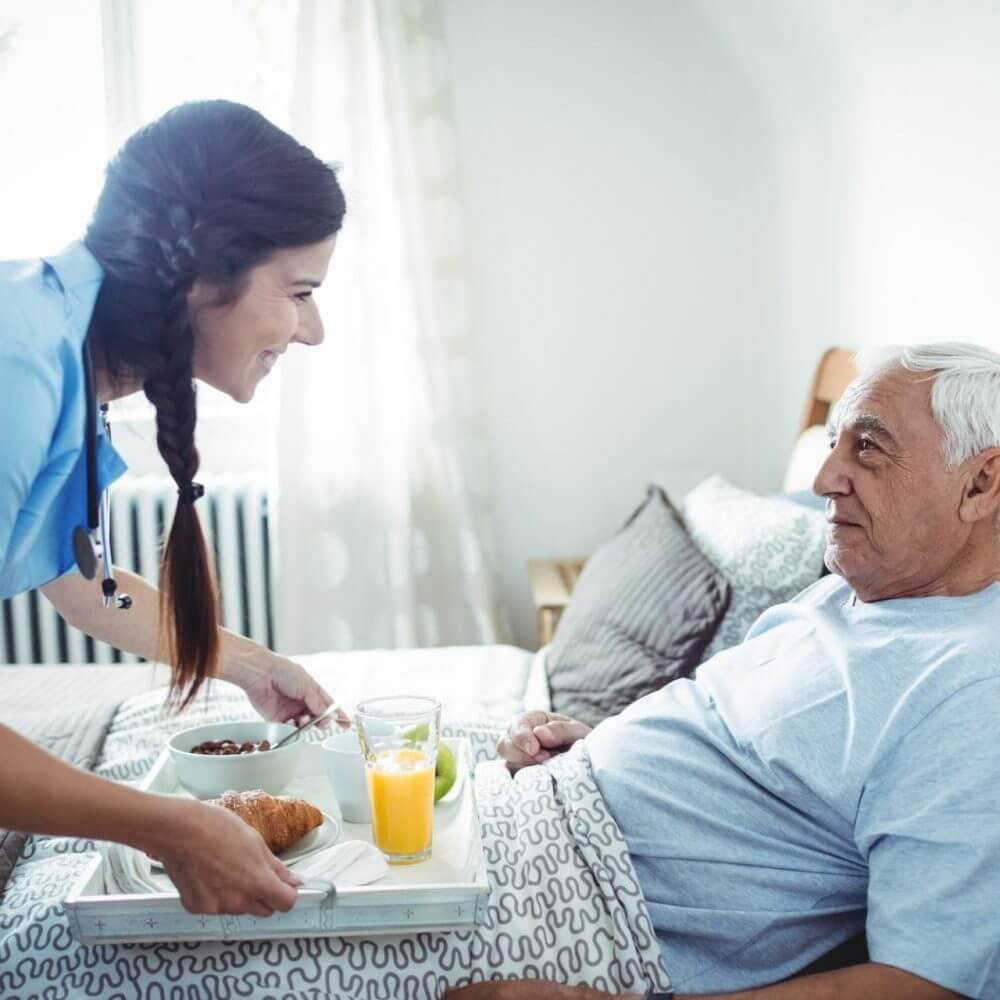
As the global population ages, the demand for high-quality senior care continues to rise. Families are increasingly seeking solutions that go beyond one-size-fits-all services. This is where Personalized Care becomes essential. Every senior has a unique medical history, lifestyle, emotional need and personal preference. A standardized approach to care simply cannot meet these diverse needs effectively. Personalized care plans are structured, flexible strategies designed to cater specifically to an individual’s physical, emotional and social well-being. These plans are developed through collaboration between healthcare professionals, caregivers and family members, ensuring that seniors receive care that aligns with their personal circumstances and values.
In this article, we’ll explore why personalized care plans are critical, how they improve quality of life, and why they are becoming the gold standard in senior care services.
A personalized care plan is a detailed, customized roadmap for an individual’s healthcare and daily support needs. Unlike generic care models, it focuses on the specific requirements of the senior, including:
Personalized Care ensures that seniors are not treated as just patients, but as individuals with unique identities and life stories.

No two seniors have the same health profile. Some may struggle with chronic illnesses such as diabetes or heart disease, while others may need support for mobility or cognitive decline.
Personalized care plans:
By focusing on the individual, caregivers can provide targeted interventions that improve health outcomes.
A major goal of senior care is not just longevity, but quality of life. Personalized care ensures seniors can continue enjoying their daily routines and hobbies.
For example:
This approach promotes independence and dignity, which are essential for emotional well-being.
Seniors often face loneliness and isolation, especially if they live away from family. It help caregivers understand emotional needs and build meaningful relationships.
When caregivers know:
They can connect on a deeper level, creating trust and comfort.
Safety is a top priority in senior care. Personalized care plans identify potential risks and provide preventive solutions.
Examples include:
By addressing specific risks, personalized care reduces hospital visits and emergencies.
Cognitive decline, including conditions like dementia, requires specialized attention. It ensures that seniors receive mental stimulation tailored to their abilities.
This may include:
Such targeted support can slow cognitive decline and improve mental health.
Her we have enlist the key components of it as listed below
The foundation of Care begins with a thorough evaluation of the senior’s needs. This includes:
This assessment ensures that no aspect of the senior’s life is overlooked.
Each care plan includes clear, achievable goals such as:
Goals are regularly reviewed and adjusted based on progress.
A structured yet flexible daily routine helps seniors feel secure and comfortable. This includes:
Consistency is key to maintaining stability and reducing anxiety.
Family involvement is crucial in creating an effective care plan. They provide insights into:
This collaboration ensures the care plan reflects the senior’s true identity.
Needs change over time, especially in older adults. Care plans are dynamic and evolve with the individual.
Regular updates ensure:
Personalized care doesn’t just benefit seniors—it also provides peace of mind for families.
Knowing that a loved one is receiving tailored care reduces anxiety and emotional burden.
Care plans create clear communication between caregivers and family members.
Families feel more confident when care is transparent and customized.
| Aspect | Traditional Care | Personalized Care |
|---|---|---|
| Approach | Standardized | Individual-focused |
| Flexibility | Limited | Highly adaptable |
| Emotional Support | General | Tailored |
| Outcomes | Average | Improved |
Traditional care often focuses on efficiency, while Personalized Care prioritizes effectiveness and individual satisfaction.
Modern technology plays a significant role in enhancing care plans.
Wearable devices track:
This data helps caregivers make informed decisions.
Remote consultations allow seniors to:
Digital tools help caregivers:
Technology ensures that Personalized Care is efficient and data-driven.
While highly beneficial care does come with challenges:
Creating detailed care plans requires time and effort from professionals.
Customized care may be more expensive than standard services.
Caregivers must be trained to adapt and respond to individual needs.
Despite these challenges, the long-term benefits far outweigh the initial investment.
Here we have enlisted the best practices for creating effective personalized care plans
Always include the senior in decision-making to ensure their preferences are respected.
Address physical, emotional, and social needs equally.
Be prepared to adjust plans as circumstances change.
Regularly review performance and gather feedback for improvement.
Consider a senior with limited mobility and mild dementia. A traditional care plan might provide basic assistance. However, a personalized care plan would:
The result? Improved confidence, reduced anxiety and a higher quality of life.
The future of senior care is undeniably moving toward personalization. Trends include:
As awareness grows, more families are choosing providers that prioritize Personalized Care.
Personalized care plans represent a shift from reactive to proactive healthcare. Instead of treating problems as they arise, this approach anticipates needs and prevents issues before they escalate.
This model:
It’s not just about care it’s about living with dignity and purpose.
The importance of personalized care plans for seniors cannot be overstated. In a world where healthcare often feels impersonal, Personalized Care brings humanity back into the equation. It recognizes that every senior is unique and deserves care that reflects their individuality. From improving health outcomes to enhancing emotional well-being, personalized care plans are transforming the way we approach senior services. They offer a holistic, compassionate and effective solution that benefits both seniors and their families.
As the demand for quality senior care continues to grow, one thing is clear: personalized care is no longer optional it is essential. In Maryland, providers like RDT Care Services stand out as one of the best in delivering high-quality, personalized senior care. With a strong commitment to compassion, professionalism, and individualized attention, RDT Care Services ensures that every client receives care tailored to their unique needs making them a trusted choice for families seeking dependable and effective home care solutions.
Share This :